
time: 07.08.22, 18:00
space: the office / Stube
text: Flusser, Vilém: „carpets“, in: Vilém Flusser. Shape of Things: A Philosophy of Design (Vom Stand der Dinge), Reaktion Books : London, 1999, Pg. 95-98.
lecturer: Brigitte
group: Giulia, Carlo, Jovana, Jovana, Andrej
research
What are the carpets of today testament to? What storms do they bring and project against our walls to herald what coming whirlwind? The answer is concealed within the carpets themselves. They are weavings whose weft conceals and covers up the warp. In a well-knotted woollen carpet, the fact that its warp is nothing but ordinary string is concealed by means of high-quality knots in the wool.
Vilém Flusser
questions
- what makes the carpet a carpet? (the technique or its use? the format or the material?…)
- where does the carpet come from?
- was the carpet first on the wall or on the floor?
- what can we read from a carpet (and its pattern) regarding culture and cultural identity?
quotes
[Flusser]
Neither a nest (tent) nor a cave (house) is a natural human dwelling. Nothing human is natural. That which is natural about us is inhuman. Nevertheless: A nest and a cave, even if they are human, are opposites. The dialectic between nest and cave, between steppe and river, between herdsman and farmer, between tent and house, is at issue here. In other words, what is at issue is the carpet.
The carpet is to the culture of the tent what architecture is to the culture of the house.
Carpets are hung on walls so as to conceal cracks in the wall. This is not the worst way of describing the situation of culture today.
And if it is correct, if all our carpets are raging storms that have slipped through gaps in the walls to whisper around us, how do we explain the renaissance in carpets that we see in so-called art exhibitions? Because if this is correct, then surely the carpets are not just messengers, but heralds of a storm.
material
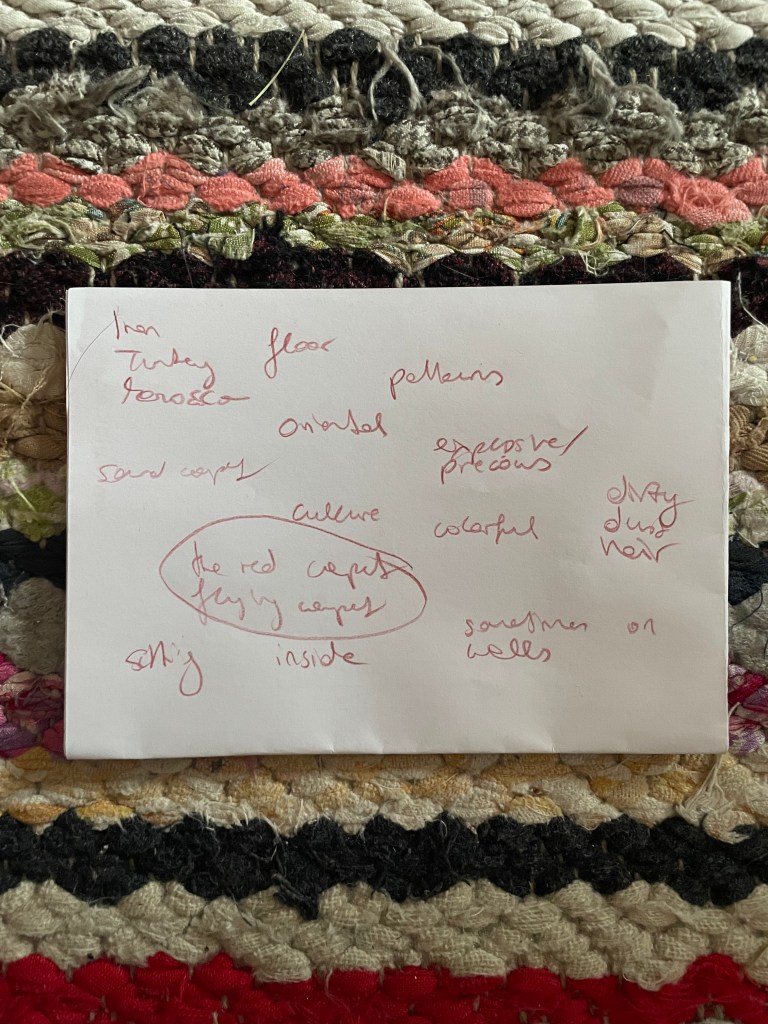
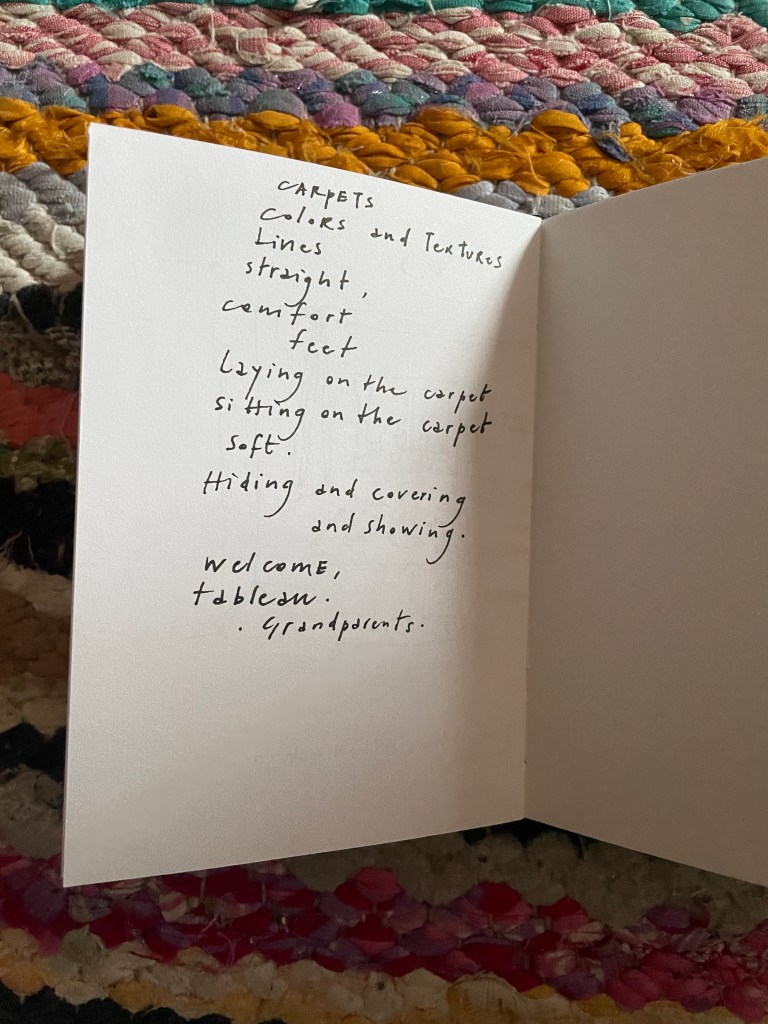
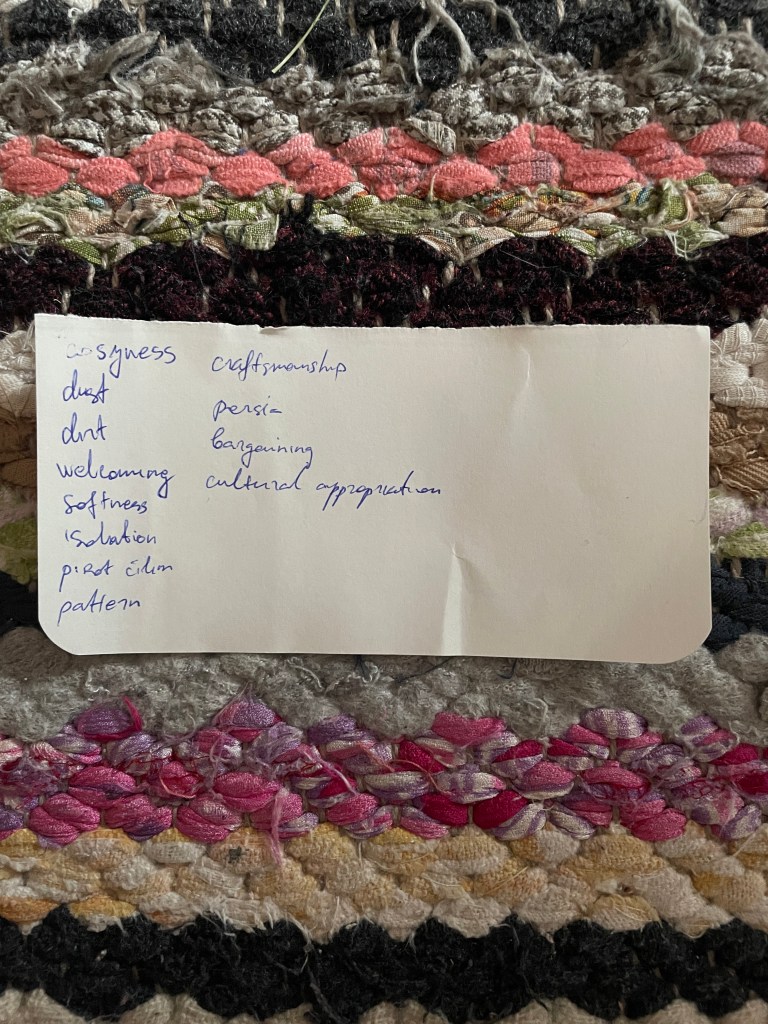
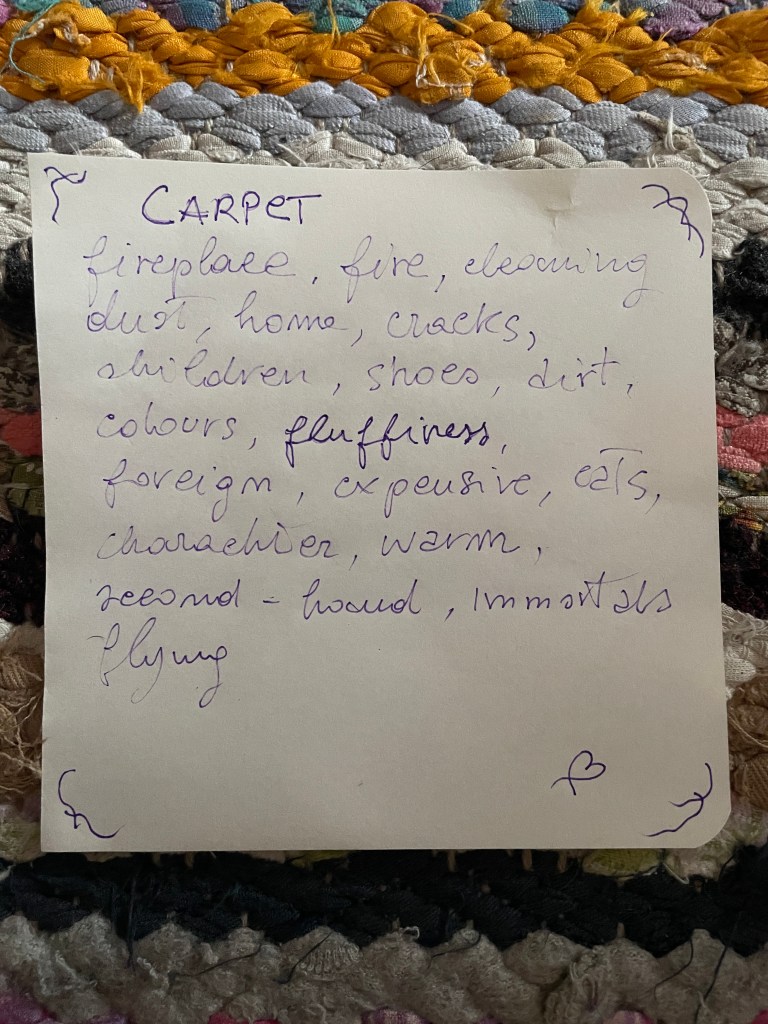
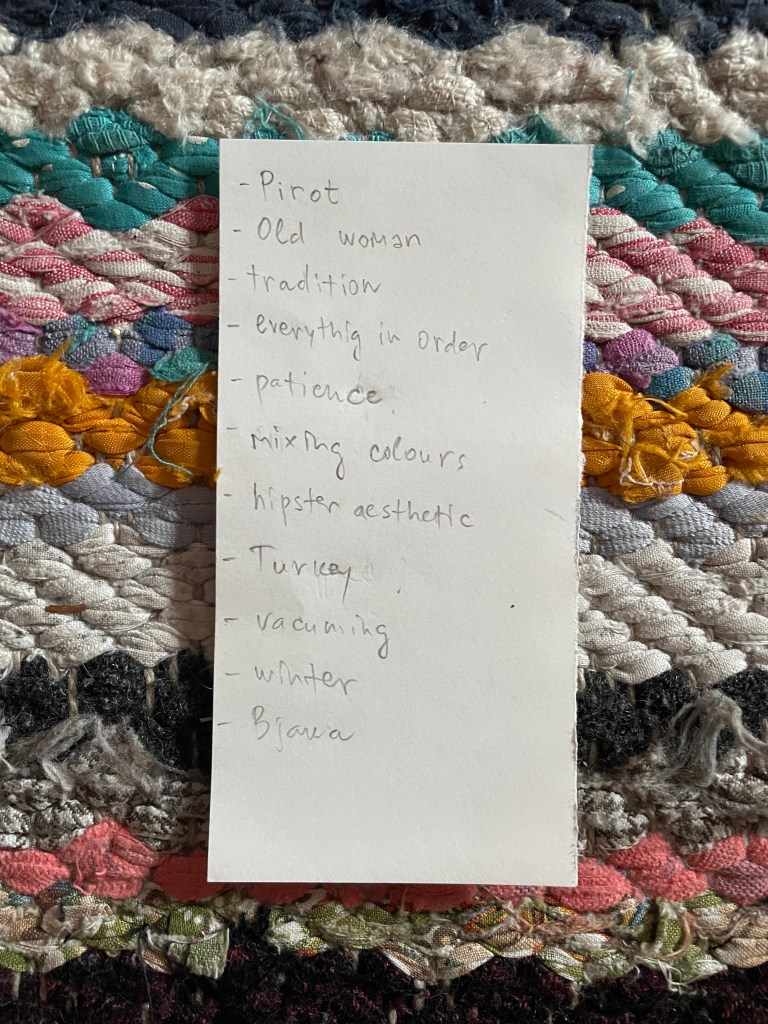
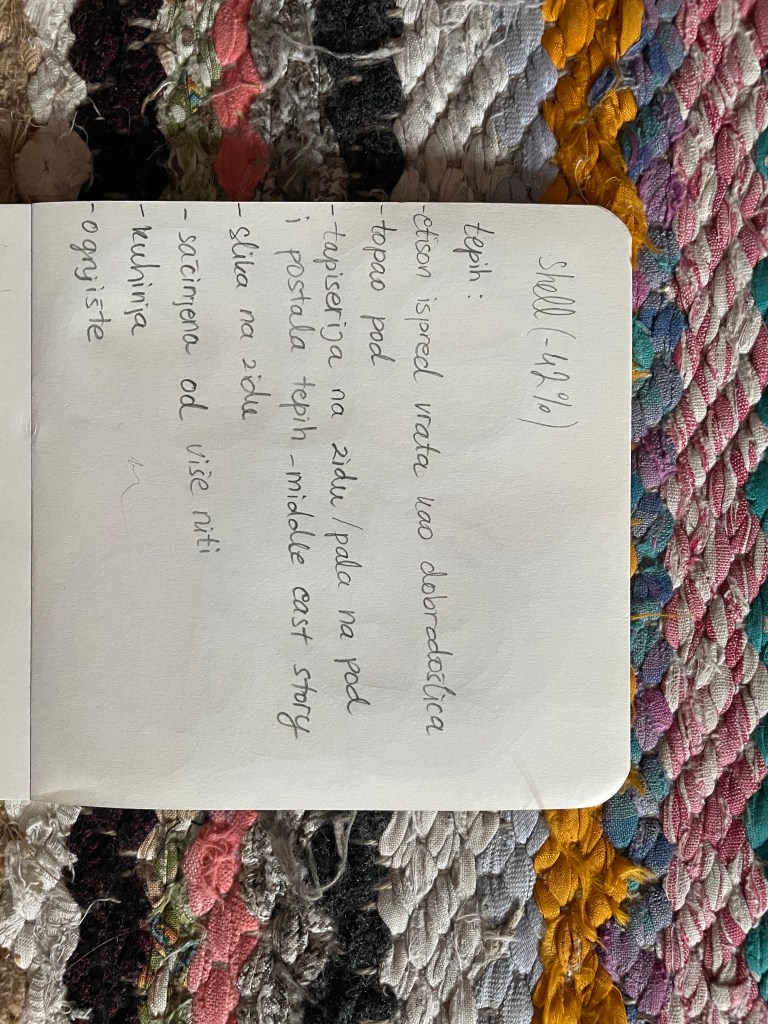
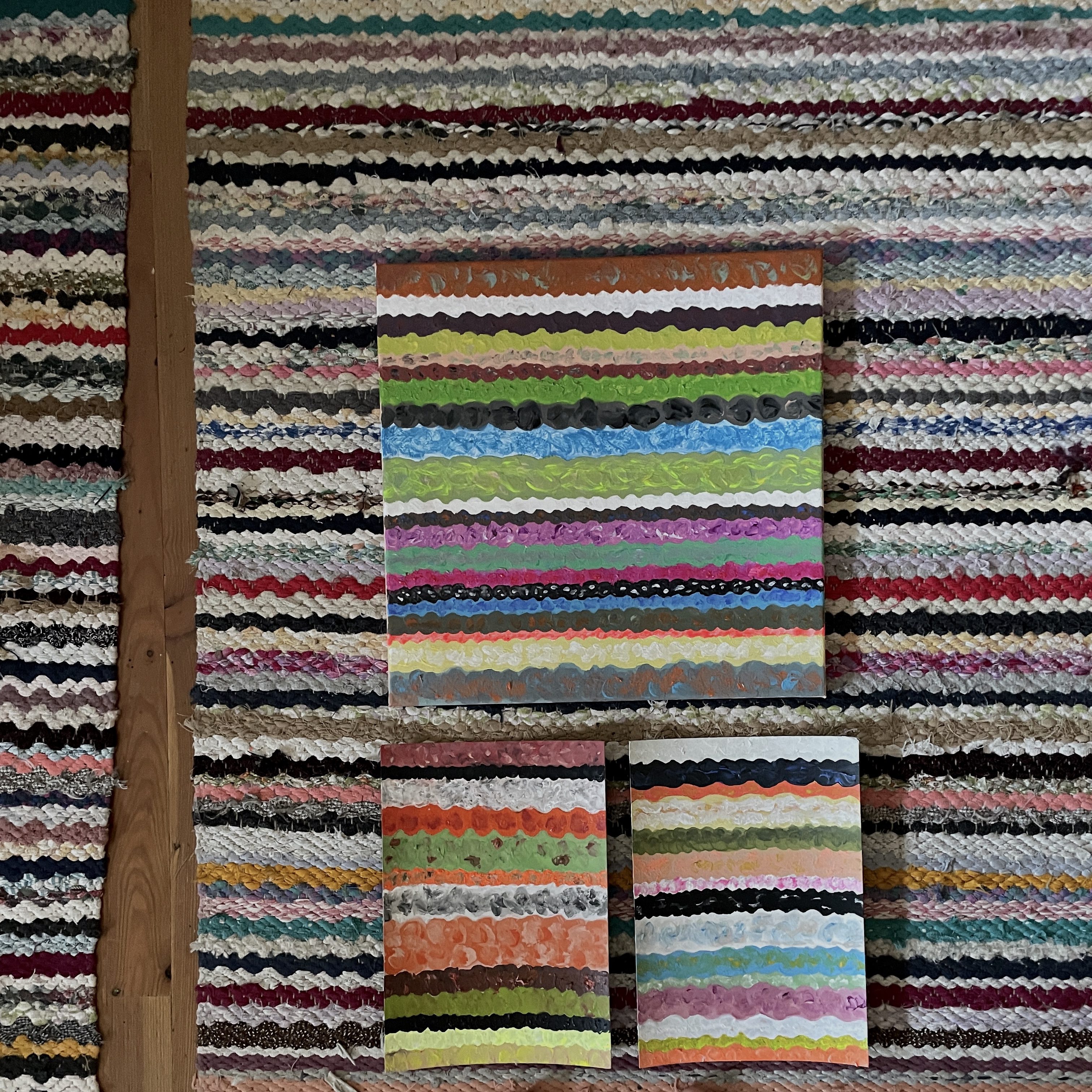
etwas unter den Teppich kehren / gurati pod tepih

literature
Flusser, Vilém: „carpets“, in: Vilém Flusser. Shape of Things: A Philosophy of Design (Vom Stand der Dinge), 1999.
Heidegger, Martin. Der Ursprung des Kunstwerks, 1935/36.


