
12.09.25 / 18:30 @ Tiroler Volkskunstmuseum
Die goldene Schindel – Austrian Music Video Award
“Gebirgsruf und Weltecho” –
Yodeling as an echoing and global phenomenon
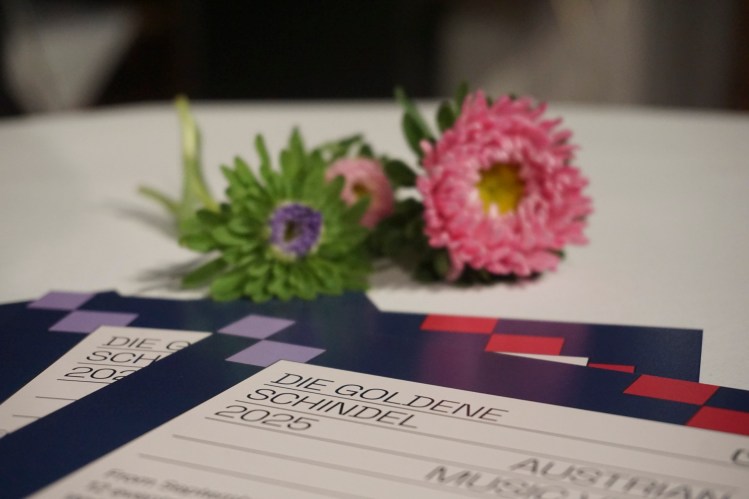
pop-up-intervention
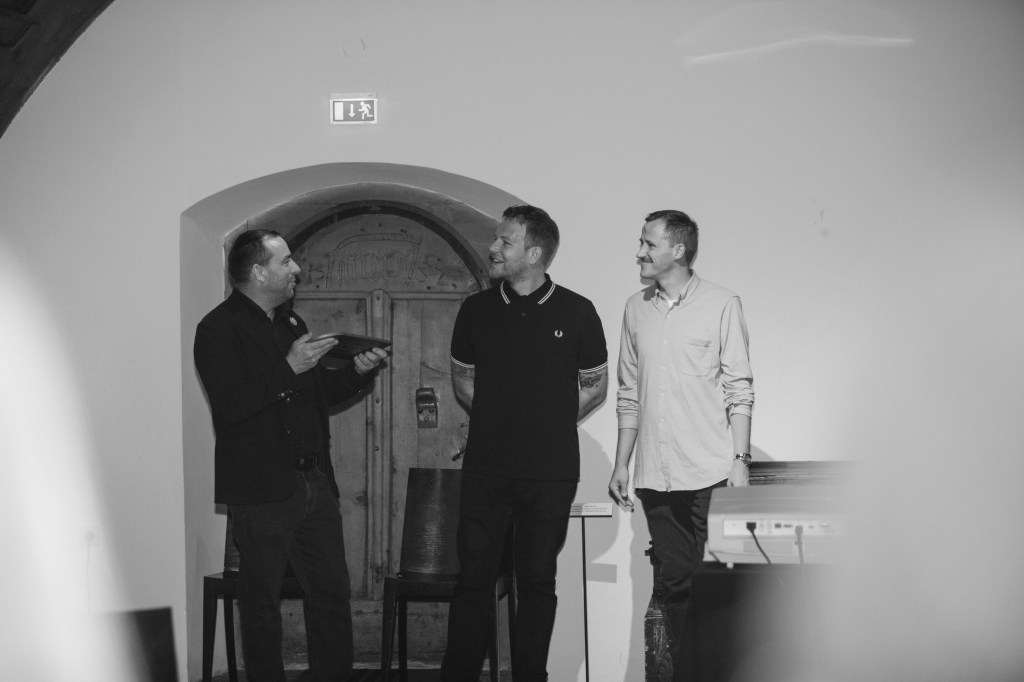
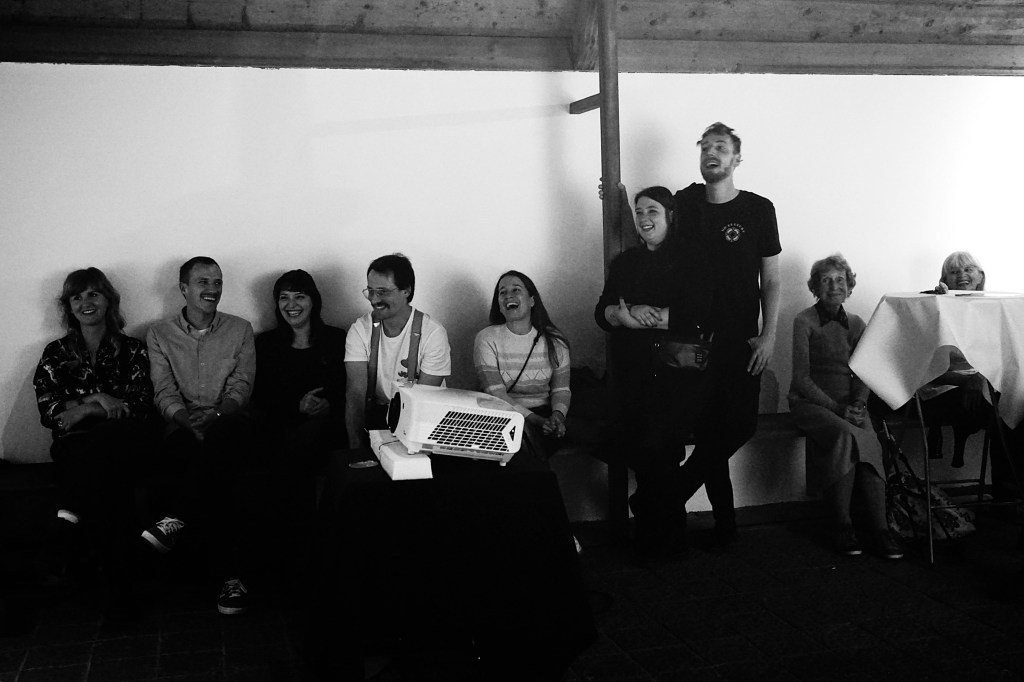
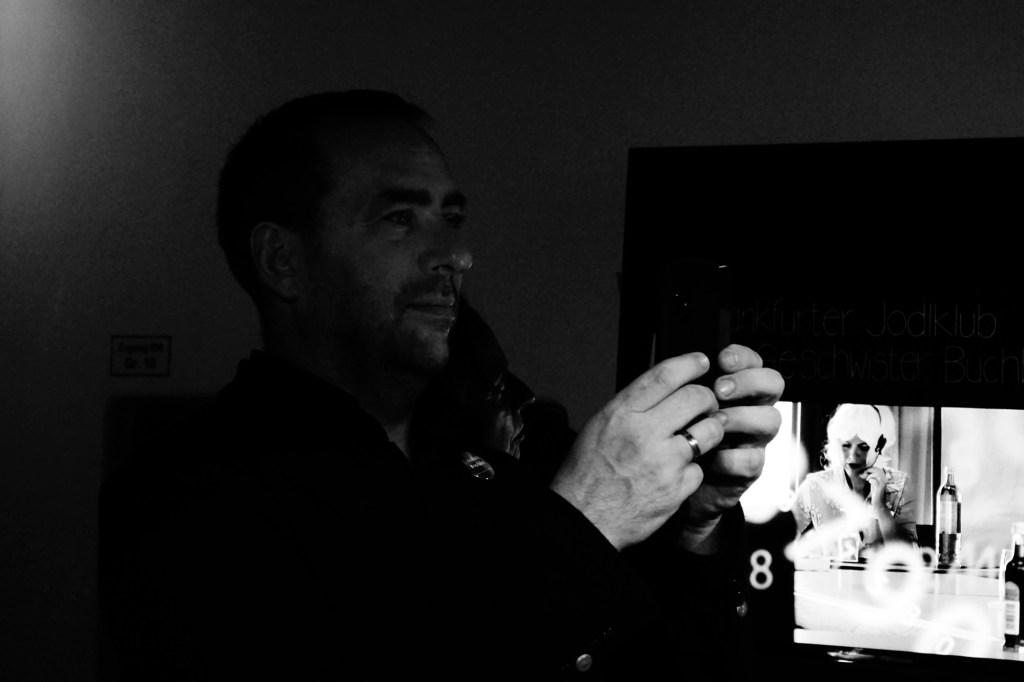
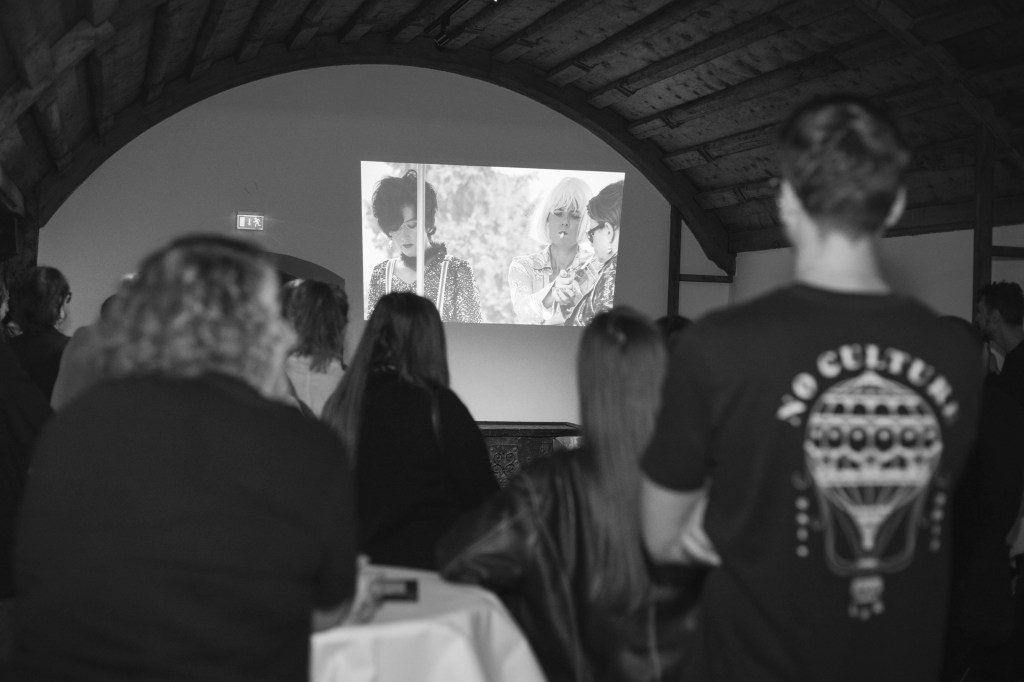
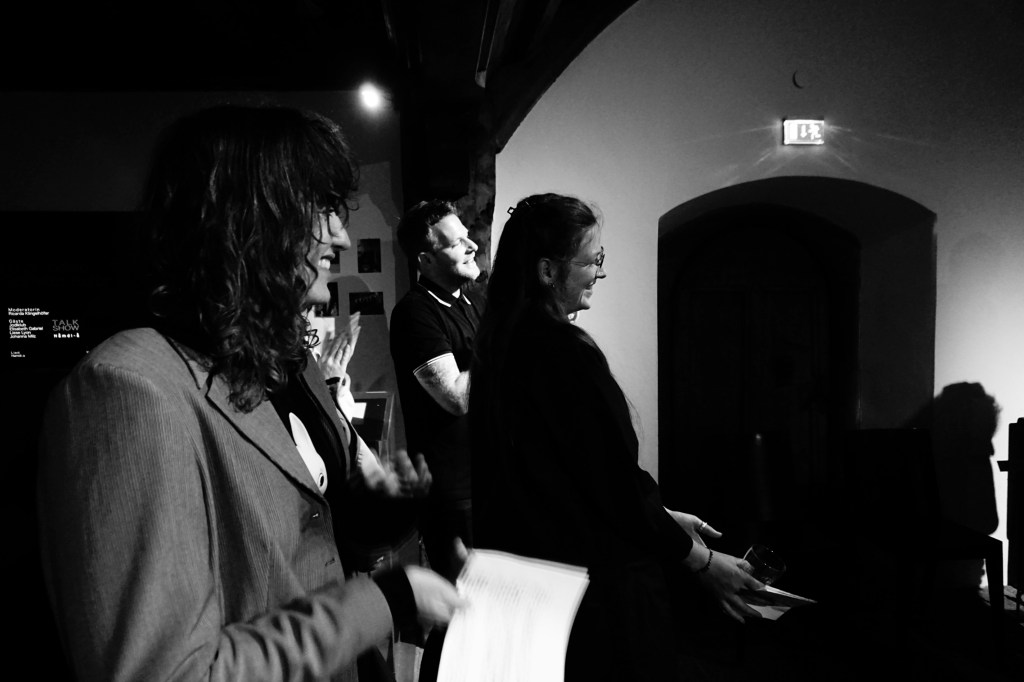
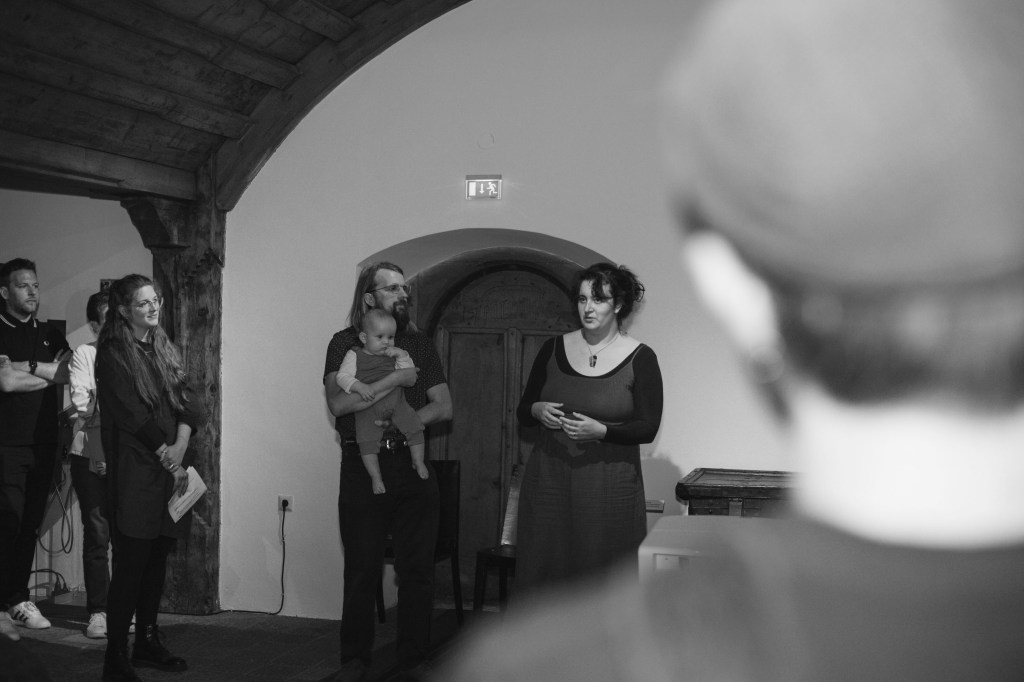
opening impressions
12.09.25, Tiroler Volkskunstmuseum
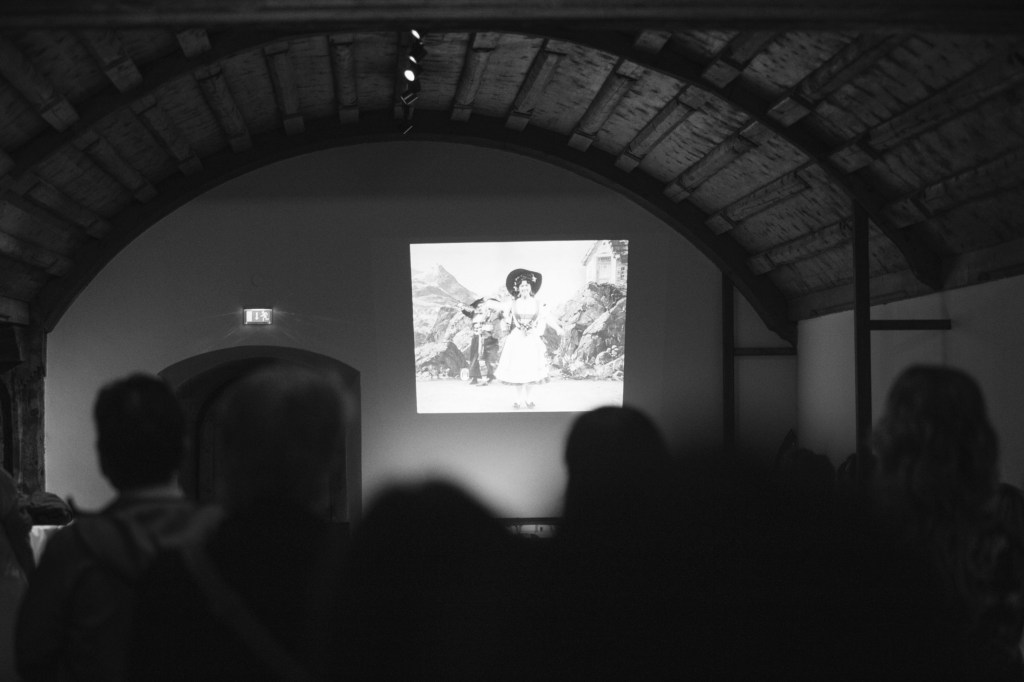
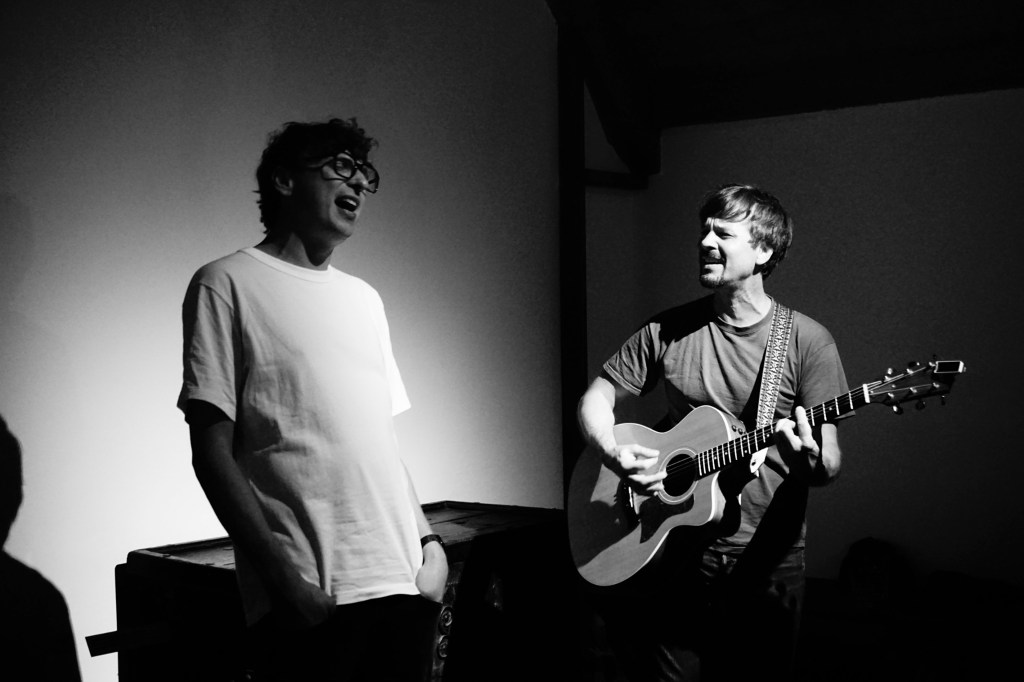
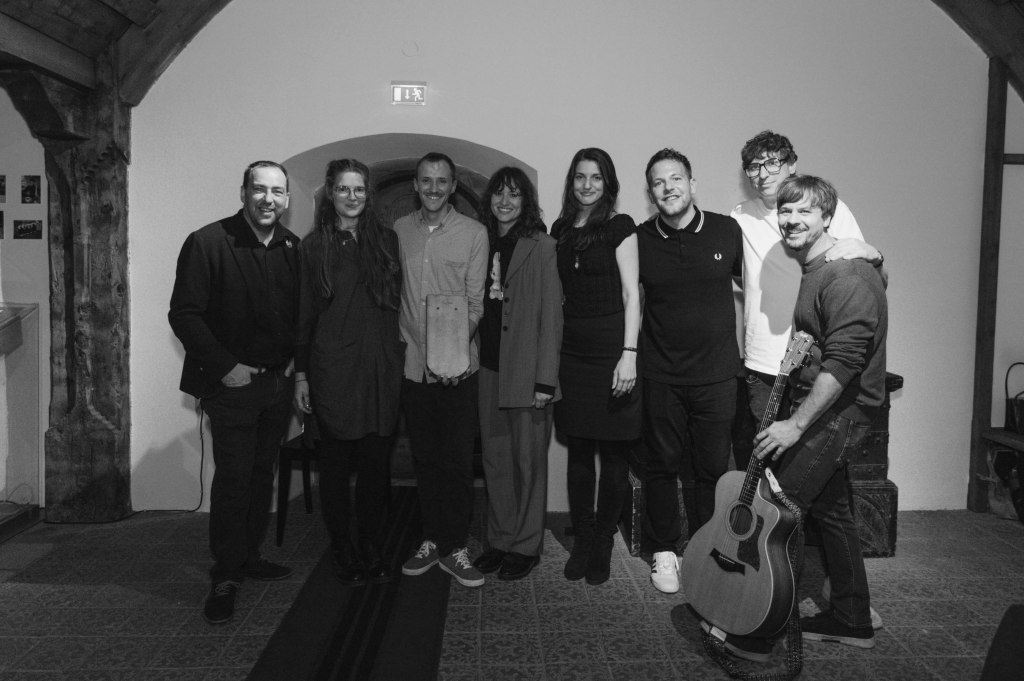

Mirzl Hofer – Steinklopfer Marsch, 1908
„The First Austrian Pop Musicvideo“ (Filmarchiv Austria)
As early as shortly after 1900, audiences in the first cinemas were able to experience early experiments with sound film. For the production of these “talking, singing, and music-making photographs,” the sound was first recorded on a shellac disc, and the filming was then carried out more or less as a playback to the sound. During screenings, the film projector had to be synchronized with the gramophone. These so-called “sound pictures” triggered a real hype in the early years of cinema. Renowned stars of the time were engaged to record short spoken and sung pieces. It was in this context that Austria’s very first music video was created, featuring the popular yodeler Mirzl Hofer, who recorded the Steinklopfer March for the cinema.
Frankfurter Jodlklub – Jodeltrilogie
directed by Sabine Loew, 2020
Sabine Loew, director and filmmaker inspired the yodelers “Der Rauschige”, “Talkshow Hamdi-a” and “Ziffernjodler” to create music clips that add a pinch of power-anarcho-crash of reality soaps to the eternal circling of gigs, stock exchanges and talk shows. Together with the stage/costume and visual artist Cornelia Falkenhan, miniatures are created with a lot of improvisation, no budget and without time, whose spaces and forms are oriented towards the respective title, rhythms and sound foils.
Videos:
Der Frankfurter Jodlklub was founded in 2011 in Frankfurt by Elisabeth Gabriel, Liese Lyon, and Johanna Milz. Their shared background lies in their Austrian roots. All three work in theater: as a director, actress, and dramaturge. We sing a cappella: yodels and three-part songs from various regions of Austria. Our repertoire consists of songs we sang in our childhood and youth with our families or in choirs. But many Austrian yodels we only discovered once we were in Frankfurt.
Gordan / Svetlana Spajić
filmed and edited by Luka Papić and Branka Majstorović, 2022
Since early childhood, I have been fascinated by our folk singing. The long-sustained tremolo of the accompanying voice in my grandmother’s village of Donja Badanja in the Jadar Valley (where right now there are clashes because of the opening of the Rio Tinto lithium mine) was rediscovered in the shape of potresalica (which you are listening to in the video of the Svetlana Spajić Group) on the slopes of Manjača Mountain in the region of Bosanska Krajina, where one of the biggest primeval forests in Europe lies […] – Svetlana Spajić
full text by Svetlana Spajić: here
Videos:
Svetlana Spajić is a singer, researcher and teacher of Balkan traditional music. For over 25 years she has studied with village singers, published and produced around twenty albums, and led projects to preserve intangible culture. She directs the Belgrade-based Svetlana Spajic Group and has collaborated with major figures in traditional and avant-garde music worldwide.
Andi Stecher is an Austrian drummer, producer and composer. His work spans genres, blending styles into a unique hybrid sound. Besides his project STECHER, he performs in many bands, composes for diverse media, and has collaborated with international artists from experimental, jazz and pop traditions.
Guido Möbius is a Berlin-based musician with six albums and numerous releases on labels like Karaoke Kalk and Shitkatapult. His energetic live sets fuse experimentation, techno, noise, gospel and more. He also runs Autopilot Music Publishing, representing artists such as Black To Comm and Reinhold Friedl.
documentary film trailer
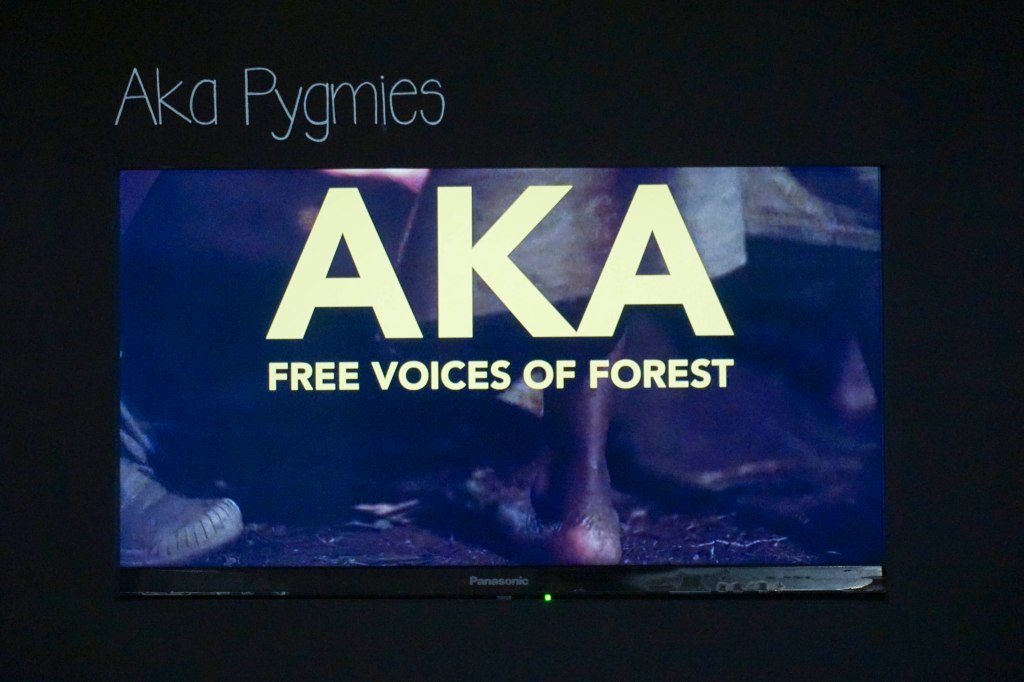
ÄKÄ – Free Voices of Forest
A film by Yvan Schreck, 2020, 38min
In the north of Congo, the Aka Pygmies live in the equatorial forest following an ancestral way of life. Their songs and dances are the remnants of a disappearing world. Sorel Eta, a man driven by a mission, is striving to save this endangered population by bringing their music to the rest of the world.
For three years, Sorel and the Ndima group – composed of five Aka musicians – collaborated with two French musicians, Leïla Martial and Remi Leclerc and a filmmaker. Between Africa and the West, a musical and initiatory journey begins, deep in the forest, sealed by a mystical ritual. After five years of filming between Congo and France, the film is currently in postproduction and will be released in January 2026.
Yvan Schreck is a French filmmaker and director specializing in the cinematic portrayal of music and dance. After studying philosophy, he trained himself in film direction and cinematography. Since 2001, he has worked as a director, cinematographer, and lighting designer.
The Ndima Ensemble is a music and dance group of the Aka Pygmies from the northwestern Congo Basin. The Aka are known for their complex, register-shifting polyphonic singing tradition, which has been supported since 2003 by Sorel Eta, a Bantu ethnologist and manager of the ensemble. The Ndima Ensemble is dedicated to preserving this unique culture and performs both in their home region and internationally.
documentary film trailer
Life in Three Voices
Marina & Leo Decristoforo, 2020, 38min
Life in Three Voices is a documentary that follows Ensemble Adilei (a traditional Georgian polyphonic choir) and the Chamgeliani Sisters (singers from the mountainous province of Svaneti), both on tour in the US, and in their native Georgia.
Shot in multiple locations in both countries, this film is about discovery, community, friendship, and above all else, an incredible vocal polyphonic tradition that brings together the most unlikely combinations of people from all around the world.
Marina Decristoforo is an anthropologist, writer and filmmaker from Brooklyn, NY. She occasionally sings in several folk groups, and wrote her Doctoral Dissertation on Georgian polyphonic practices, having lived in Georgia for two years while doing her fieldwork.
Leo Decristoforo, born in Vienna and raised in Bratislava and Tyrol, studied cinematography at the International Film School Cologne and at the filmacademy in Prague (FAMU). Together with Marina he founded the Pillusion Filmfestival in Tyrol.
exhibition view
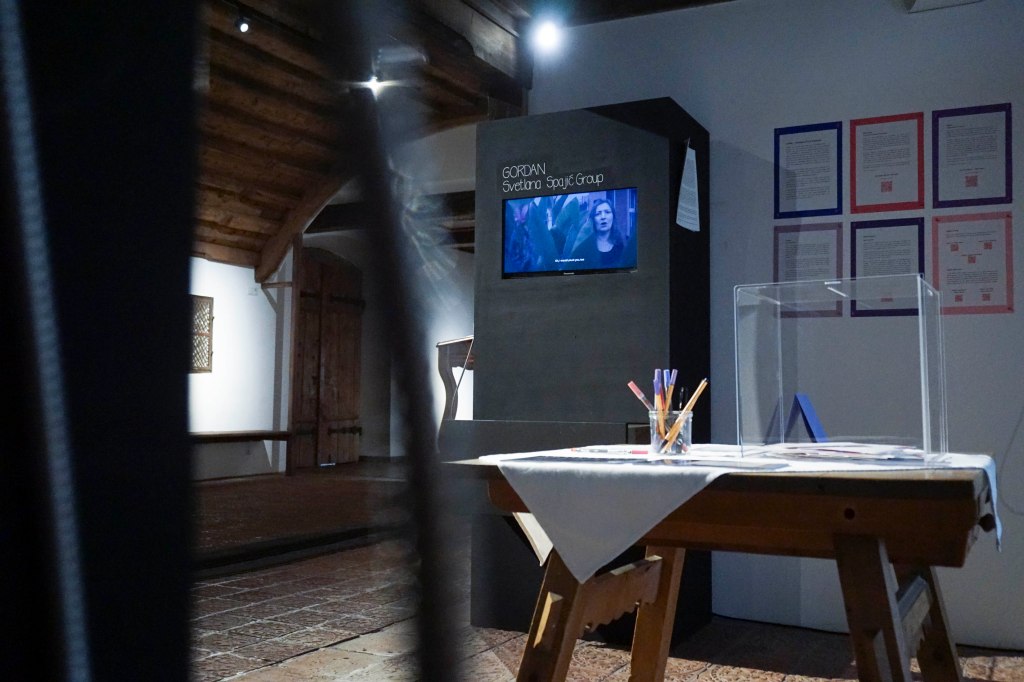

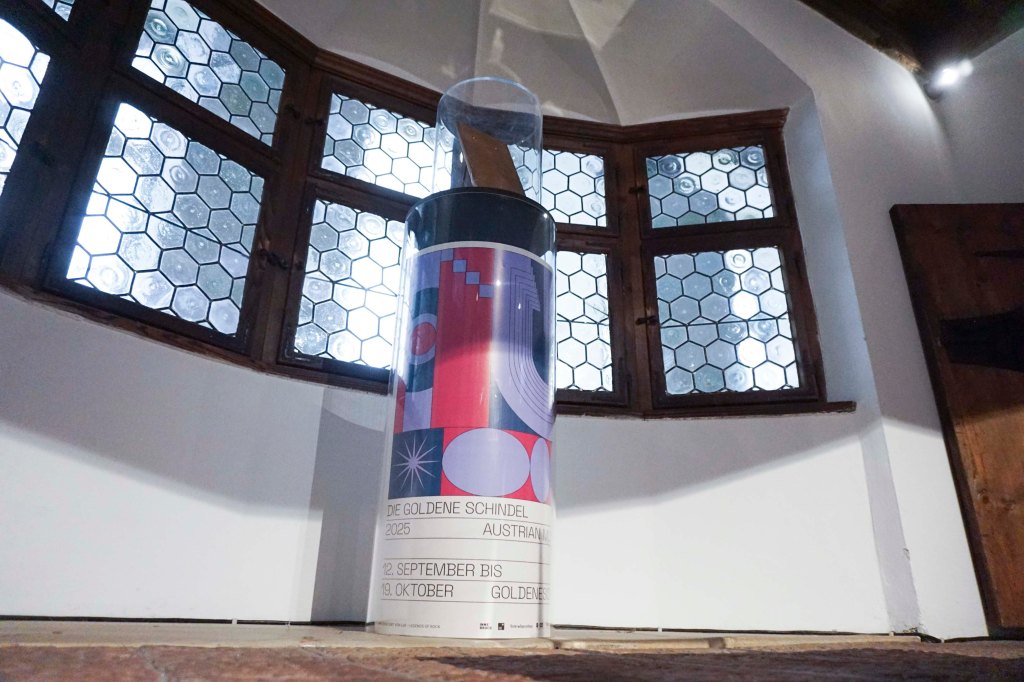
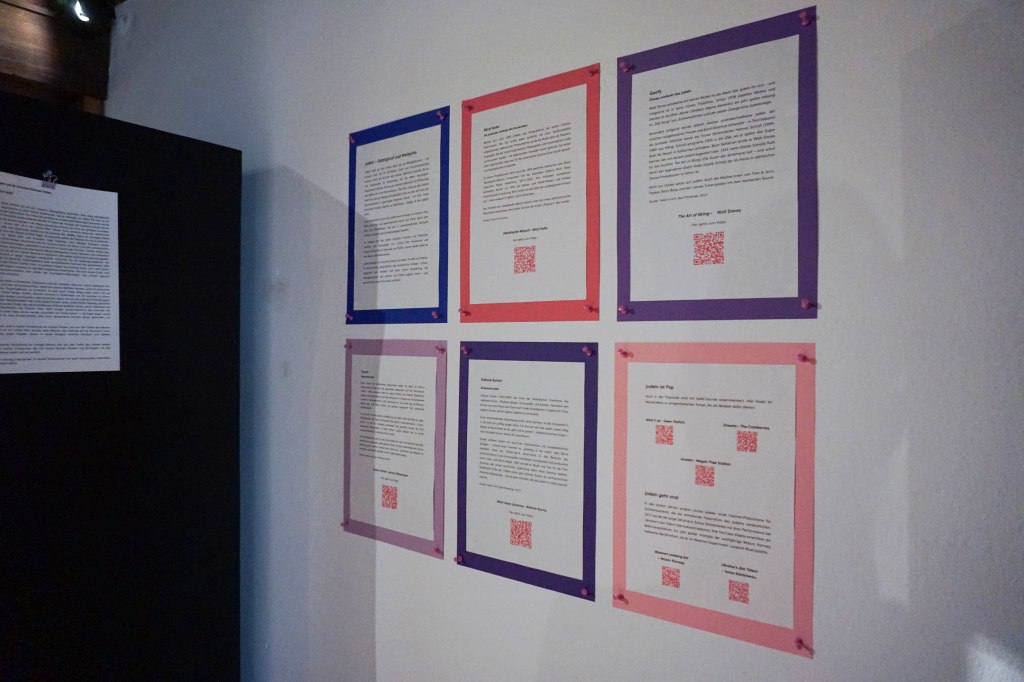
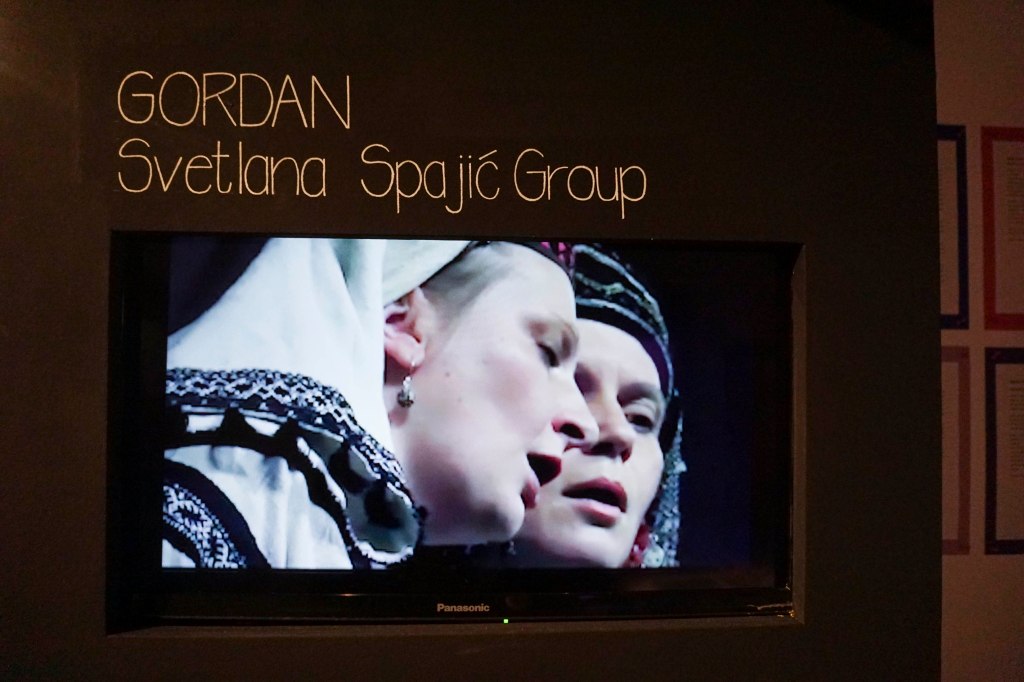
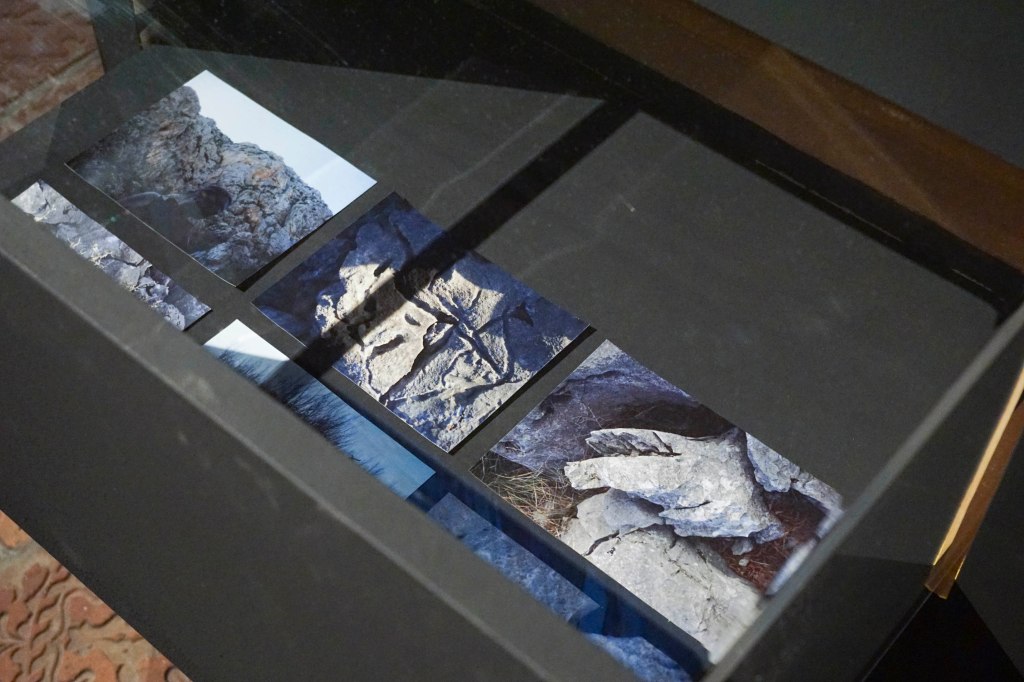
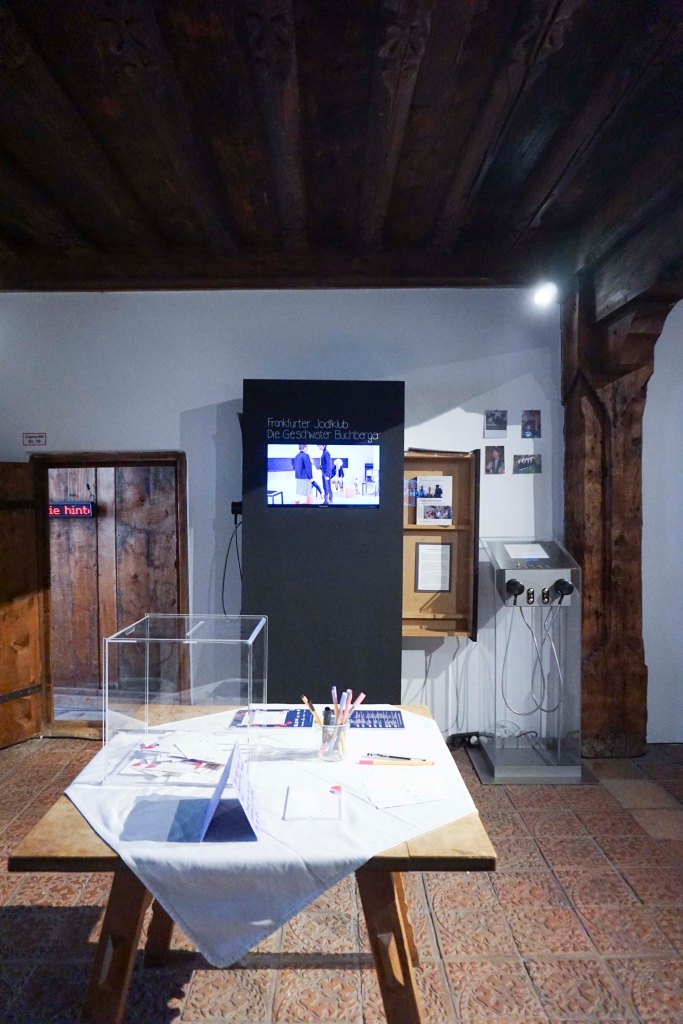
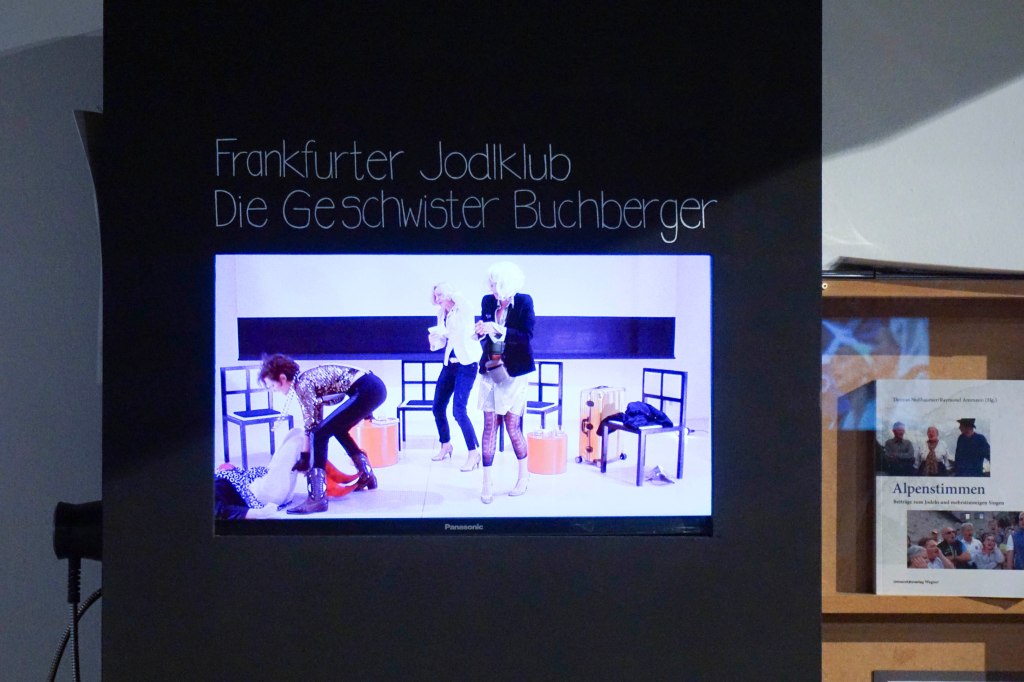
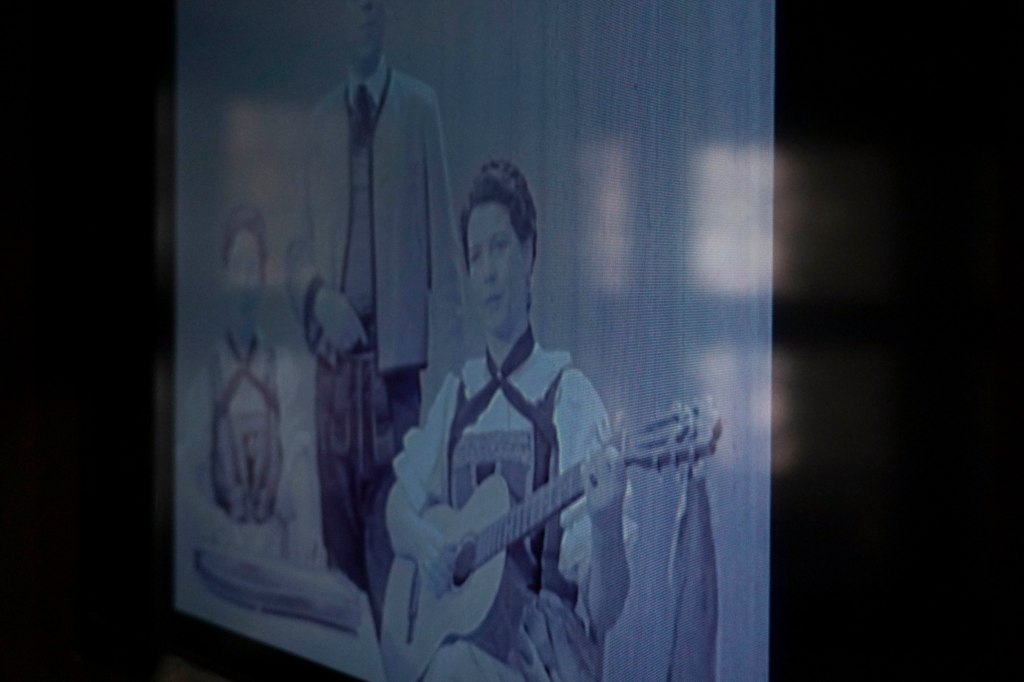

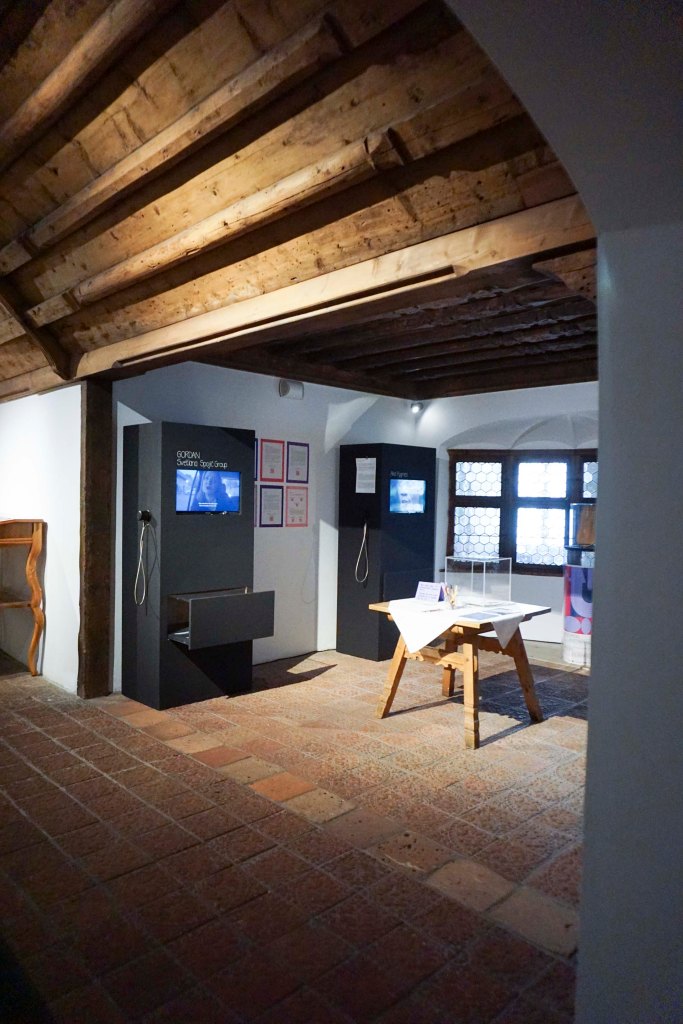

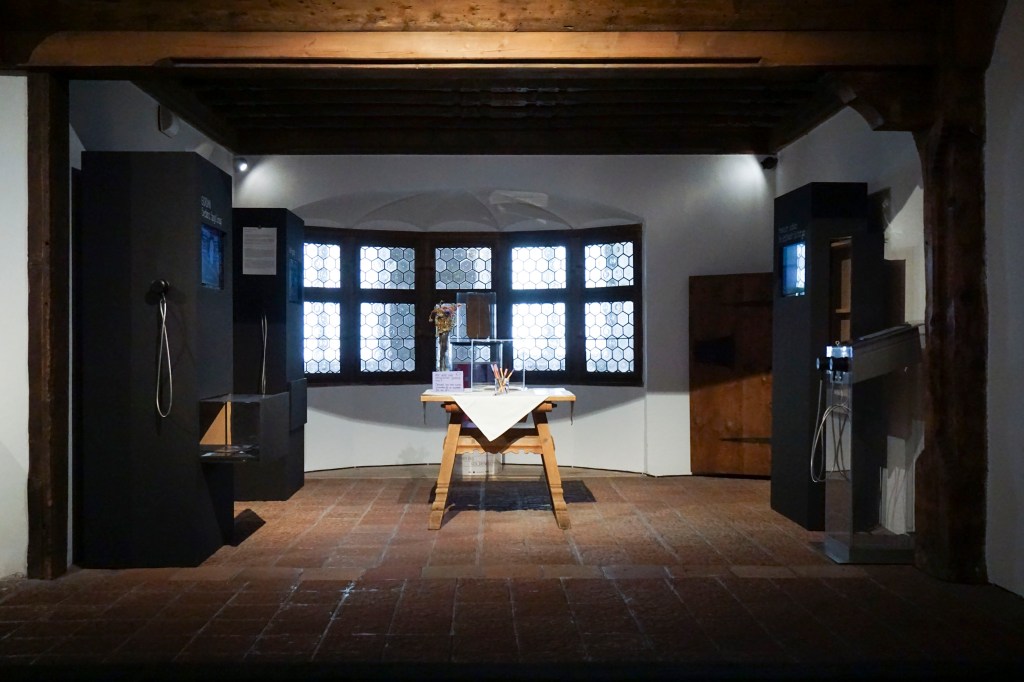
The pop-up-intervention (curated by Brigitte Egger, Carmen Egger and Johanna Hinterholzer) was on view at Tiroler Volkskunstmuseum from Sep 12 – Oct 19, 2025.

 grund1535